Where to get free naloxone across Minnesota, how to respond to an overdose step by step, and how Steve's Law protects people who call for help.
Naloxone (often known by the brand name Narcan) can reverse an opioid overdose in minutes. In Minnesota you can get it free, carry it without your own prescription, and give it to someone with legal protection. Here's where to find it, how to use it, and what to do after an overdose.
What naloxone does
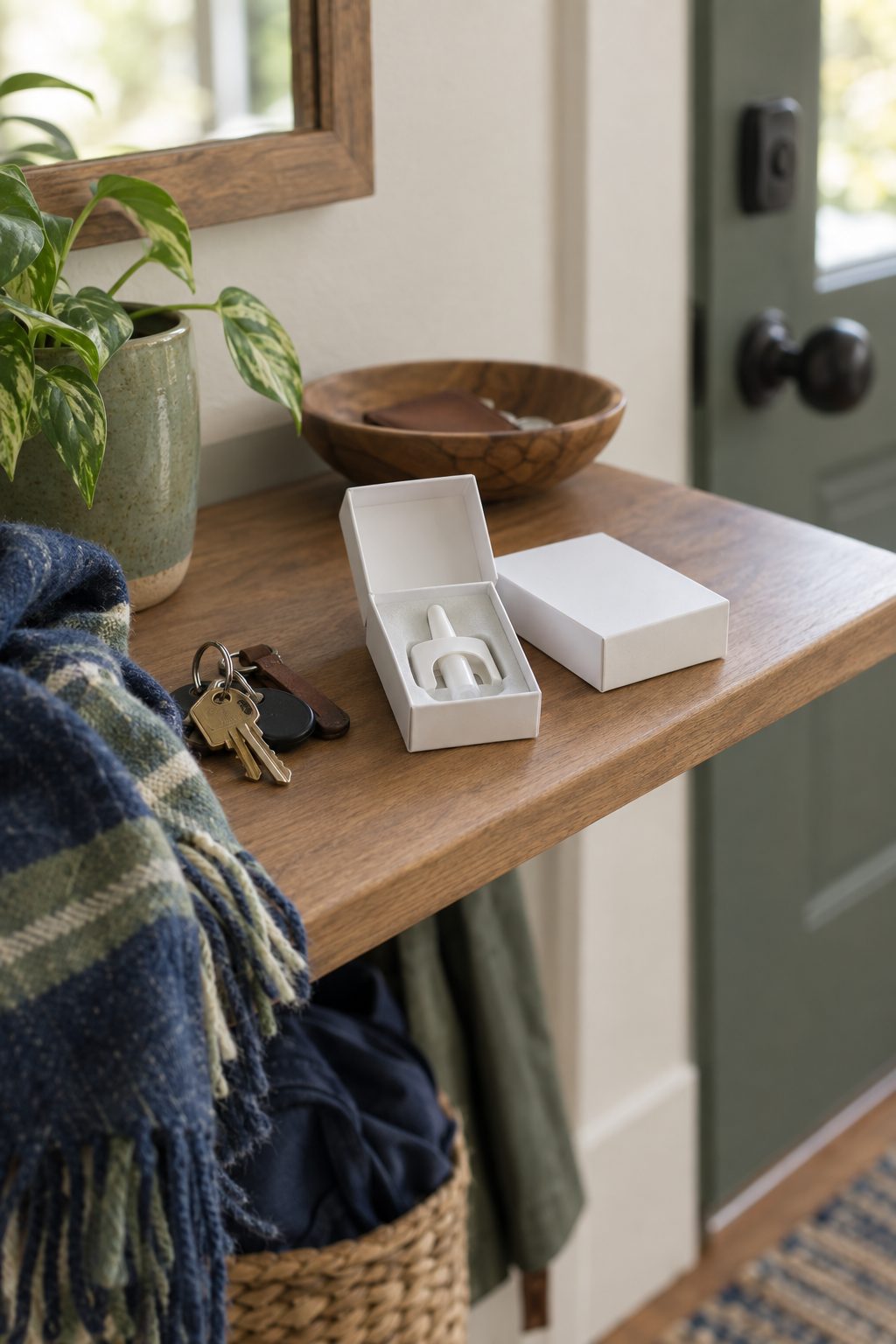
Naloxone temporarily blocks the effects of opioids, such as fentanyl, heroin and prescription pain medicines, so the person can start breathing normally again. It comes as a nasal spray or an injection (Minnesota Department of Health).
A few facts that put people at ease:
- It works only on opioids, and it's harmless if the person is actually having a different medical emergency (MDH).
- It isn't addictive and can't be used to get high (Steve Rummler HOPE Network).
- Fentanyl is often mixed into other drugs, such as cocaine, methamphetamine or xylazine. Naloxone won't reverse those drugs, but it does reverse the opioid mixed in with them. That's why MDH's guidance is to give naloxone every time you suspect an overdose (MDH).
Where to get free naloxone in Minnesota
- MDH Naloxone Finder: a statewide map of free naloxone providers, linked from the Minnesota Department of Health naloxone page.
- Steve Rummler HOPE Network: runs Naloxone Access Points across Minnesota with free naloxone and fentanyl test strip kits, and offers free training online and in person (Steve Rummler HOPE Network).
- Syringe service and harm reduction programs: also hand out naloxone at no cost (MDH).
- Your county: many counties offer free kits. Dakota County, for example, gives out naloxone and fentanyl test strips anonymously, with no insurance or personal information needed (Dakota County). Check your county's public health page.
- Pharmacies: NARCAN nasal spray has been approved for over-the-counter sale since March 2023 (FDA). Other forms may need a prescription, which Minnesota pharmacists can write on the spot (Steve Rummler HOPE Network).
Who should carry it? Anyone who uses drugs, or who has family, friends or neighbors who might, should keep naloxone on hand (MDH). That includes households where someone takes prescription opioids.
How to respond to a suspected overdose
Signs of an opioid overdose include being unresponsive, slow or stopped breathing, gurgling or snoring sounds, and blue or gray lips and fingertips.
- Try to wake them. Shout their name and rub your knuckles firmly on their breastbone.
- Call 911. Say someone isn't breathing or won't wake up.
- Give naloxone. For nasal spray, tilt their head back and spray one dose into one nostril.
- Support their breathing. If you're trained, give rescue breaths. Otherwise, roll them onto their side (the recovery position) so they don't choke.
- Wait, then repeat if needed. If they don't respond, give another dose. MDH advises waiting about five minutes between doses (MDH).
- Stay with them. Naloxone wears off in 30 to 45 minutes, and the overdose can come back as it wears off, especially with strong opioids like fentanyl (MDH).
Someone can't give naloxone to themselves during an overdose (MDH), so the people around them need to know where it's kept.
You're protected under Minnesota law
Minnesota's Good Samaritan law, often called Steve's Law, is designed so fear of arrest doesn't stop anyone from saving a life:
- Giving naloxone: a person who isn't a health care professional and who, in good faith, gives naloxone to someone they believe is overdosing is immune from criminal prosecution for that act and isn't liable for civil damages (Minn. Stat. § 604A.04).
- Calling for help: a person who seeks medical help for someone who's overdosing, and the person who's overdosing, have limited immunity from certain drug possession charges based on evidence found because help was called. Probation or parole can't be revoked over that incident (Minn. Stat. § 604A.05). To qualify, the caller generally needs to give their name and contact information, stay until help arrives, and cooperate.
The protections have limits. They don't cover selling drugs, outstanding warrants, or violence at the scene (Steve Rummler HOPE Network). The core message is simple, though: call 911 and give naloxone.
After an overdose: the window for treatment
Surviving an overdose is often the moment when someone, or their family, is ready to talk about treatment. Minnesota's overdose deaths fell 26% in 2024, from 1,338 to 994 (Minnesota Department of Health). That's real progress, and every overdose reversed is still a chance to connect someone with care.
Within our network, the next step depends on what the person needs:
- A clear plan: start with a comprehensive assessment at Recovery Hub, in person in Anoka or by telehealth.
- A structured, 24-hour setting, or medication for opioid use disorder: Transformation House offers residential treatment and medication-assisted therapy.
- Underlying anxiety, depression or trauma: Agape Health & Wellness provides therapy and psychiatric care.
Not sure where to start? See our continuum of care or call our intake team at (763) 427-7155. For trends in substance use across the state, see Transformation House's look at addiction trends in Minnesota.
If someone isn't breathing, call 911 now. This article is general information, not medical or legal advice.